I decided to start with the MacGregor partly because it is the more versatile of the two canoes, but mostly because I already had 1" strips of Douglas fir lying around which is the right width for the MacGregor stems.
I marked the inboard edge of the stem on an old desk top by laying out the plans and using a sharp screw point every few inches. You can then take a pencil and darken each hole to make them easier to see. The strips on hand were a bit thicker than in the plans so I tried to leave a bit more allowance for spring back. I'm not sure how it's going to turn out but i'm hoping its close enough to be usable.
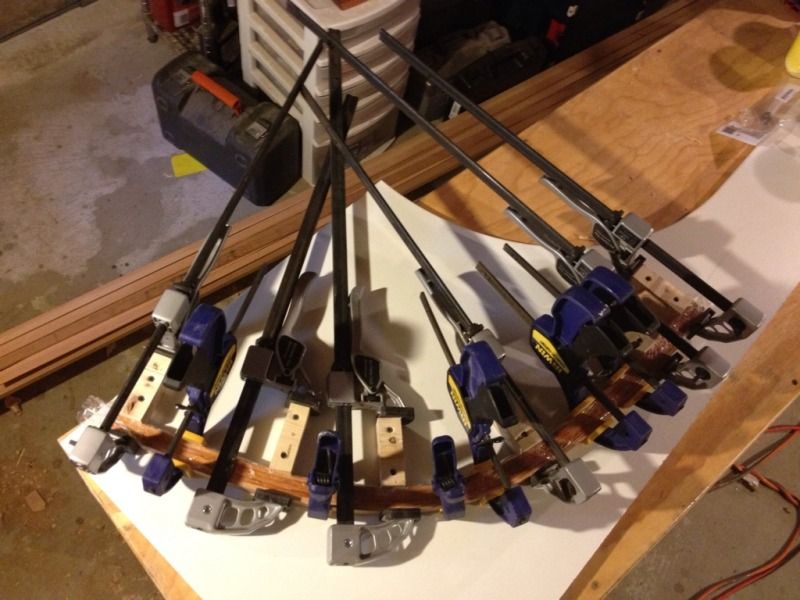
Each lamination is just under 1/4" thick which makes the four layers together about 7/8" thick, a bit short of the 1" target. I was thinking the epoxy in the joints would add some of that width back but they were pretty tight. I may be adding some more material to get the shape right once the stem is off the forms anyway, otherwise I'll consider it a bit of weight savings. The un-epoxied strip on the outside is to help keep the tension even along the outside strip, this seemed to help them make the bend easier.
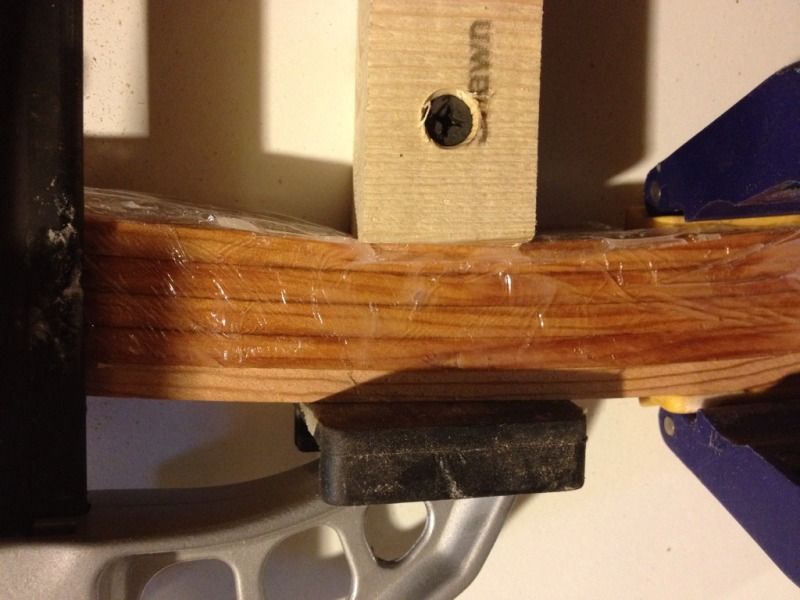
The next day the clamps come off and there is less spring back than I was expecting. That means I'm going to have to plane of some of the thickness in the middle section to get the shape just right and probably laminate another strip on to make it strong enough.
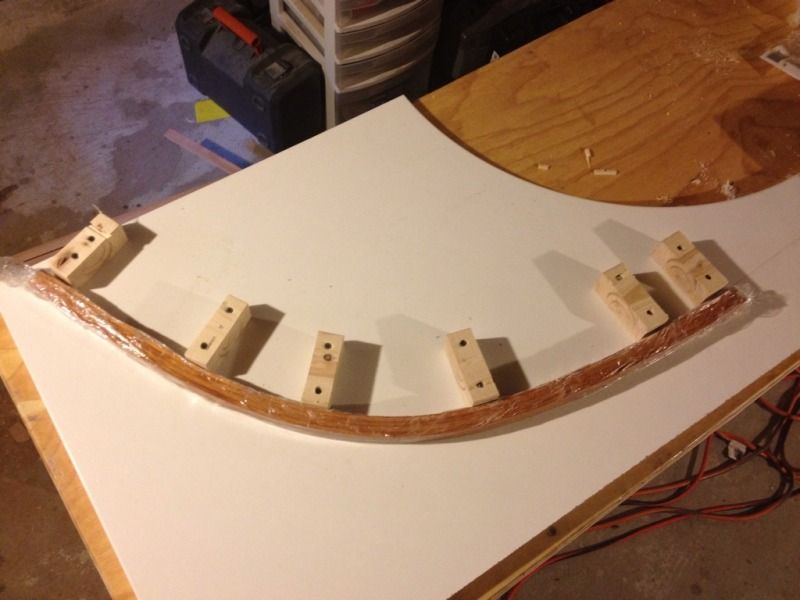
Here is the spring back near the keel - about 3/16".
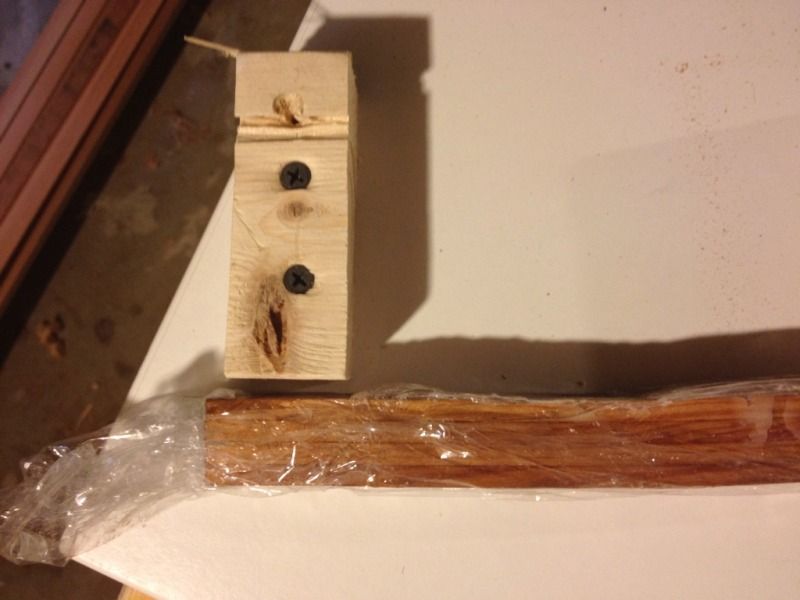
Here is the spring back near the stem- about 1/4".
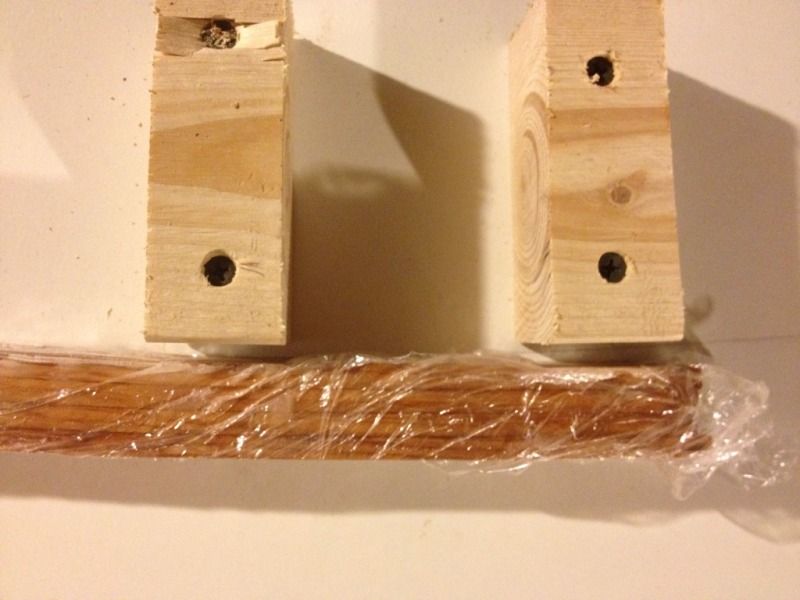
All in all a success, but I'm going to try and guess the spring back better for the aft stem and see what this one looks like once its planed down to match the plans exactly. The other thing I'm going to do differently is round the edges of the 2x4 pieces so that the corners aren't pressed into the inside face of the stem.
This blog will catalog the adventures of building a pair of sailing canoes, one Wee Rob and one MacGregor, both designed by Ian Oughtred
Saturday, July 14, 2012
Monday, July 2, 2012
The Plans Arrive
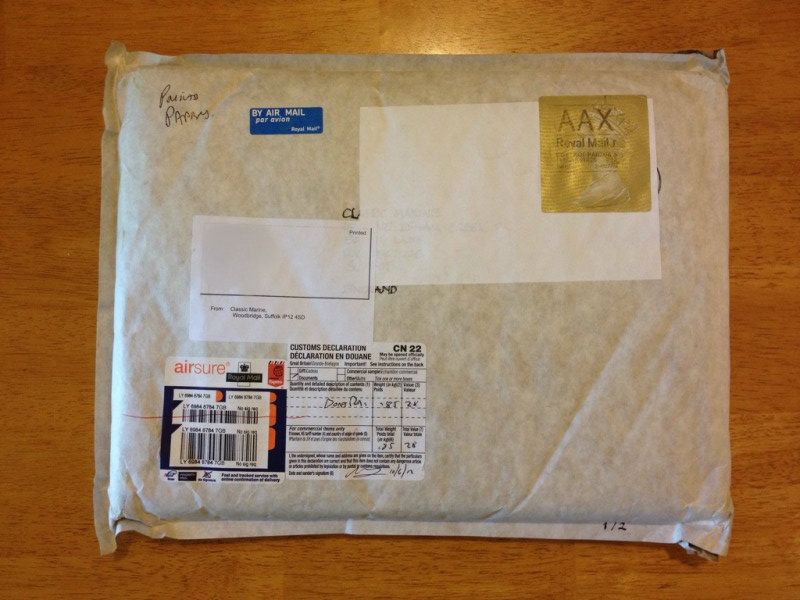
The plans for my two future sailing canoes arrived today from England. Inside the envelope were two smaller envelopes, one with plans for a MacGregor and the other plans for a Wee Rob, both designed by Ian Oughtred.
Opening up the packaging and gently unfolding the pages to get a glimpse of all the wonderful building details is like being a kid on Christmas morning again. These are small but very carefully designed boats and I'm looking forward to the challenge of building something that lives up to the aesthetic potential of the designs.
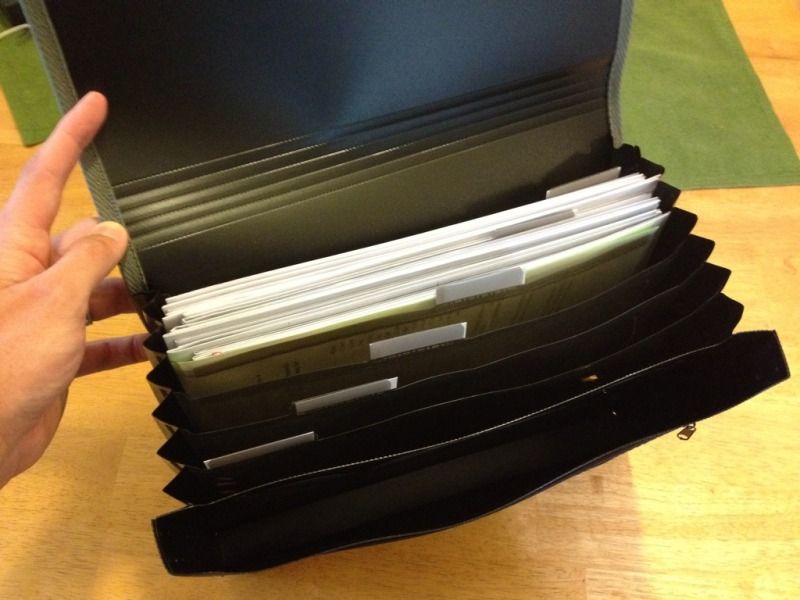
The Wee Rob plans were all printed on blue print type paper and fit nicely into a new folio I bought to keep this project organized and keep the plans in good condition. The MacGregor plans had one blue print type sheet and the rest were on large photocopy paper. This wasn't a problem of itself, but the paper was a euro dimension and didn't fit when folded. My solution was to refold and then cut off the blank margin to get back to the original drawing paper size.
Now both plans fit nicely in the folio and will have a chance of surviving the rough and tumble life of the boat shop (i.e. my basement). I have a separate section dedicated for keeping track of receipts and that leaves four more sections for future builds!
I'm not in a position to get started on the building just yet, but can't wait to start bringing these beautiful plans to life.
Opening up the packaging and gently unfolding the pages to get a glimpse of all the wonderful building details is like being a kid on Christmas morning again. These are small but very carefully designed boats and I'm looking forward to the challenge of building something that lives up to the aesthetic potential of the designs.
The Wee Rob plans were all printed on blue print type paper and fit nicely into a new folio I bought to keep this project organized and keep the plans in good condition. The MacGregor plans had one blue print type sheet and the rest were on large photocopy paper. This wasn't a problem of itself, but the paper was a euro dimension and didn't fit when folded. My solution was to refold and then cut off the blank margin to get back to the original drawing paper size.
Now both plans fit nicely in the folio and will have a chance of surviving the rough and tumble life of the boat shop (i.e. my basement). I have a separate section dedicated for keeping track of receipts and that leaves four more sections for future builds!
I'm not in a position to get started on the building just yet, but can't wait to start bringing these beautiful plans to life.
Subscribe to:
Comments (Atom)